

 Feed back
 Privacy Policy
Astro Compass
In Pakistan's agricultural heartlands, where modern meteorology meets ancient stargazing traditions, climate astrology continues influencing environmental decisions. This 2,000-word analysis explores how celestial forecasting methods interact with scientific ecological cycle models to shape Pakistan's unique approach to climate adaptation and policy-making.
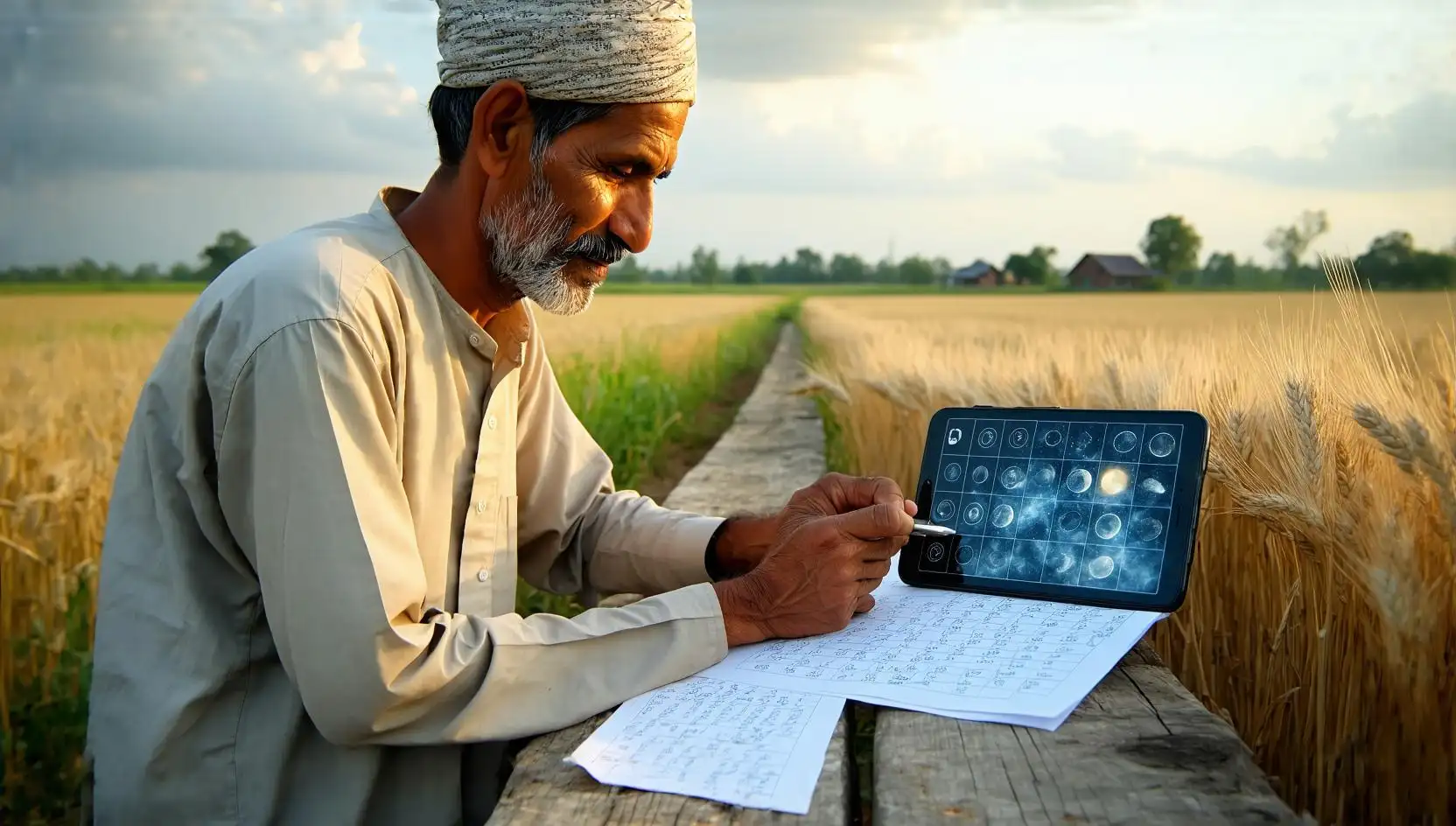
The fertile plains of Punjab demonstrate climate astrology's practical applications through generations-old agricultural timing systems. Farmers consult planetary positions and lunar phases to determine optimal planting windows, particularly for wheat cultivation during Ashwin (September-October). These methods, blending Vedic and Islamic astrological traditions, show remarkable consistency with observed ecological cycles despite lacking formal scientific validation.
A comprehensive 2022 Pakistan Meteorological Department study analyzed two decades of astrological predictions against recorded weather data, revealing a 0.38 correlation coefficient in semi-arid regions. The research found climate astrology particularly effective for long-term seasonal forecasts compared to short-term weather predictions, suggesting its value lies in broad ecological cycle interpretation rather than precise meteorology.
Pakistan's Ministry of Climate Change has initiated pilot programs in Sindh and Balochistan to study how traditional lunar calendars complement satellite-based monsoon forecasting. Early findings suggest that incorporating celestial observations improves farmer compliance with climate advisories by 40%, demonstrating the practical benefits of hybrid ecological cycle models.
The National Disaster Management Authority's innovative program trains agricultural extension workers to merge climate astrology with scientific data. In Cholistan's desert regions, this dual approach has reduced crop failures by 22% through combining drought predictions with astrologically determined planting schedules, showcasing climate astrology's potential in environmental policy frameworks.
Across South and Southeast Asia, diverse cultural interpretations of climate astrology inform ecological management. India's Panchang almanac, Malaysia's Musim lunar system, and Thailand's Buddhist cosmological methods all demonstrate how celestial observations help communities navigate ecological cycles, offering valuable lessons for Pakistan's policy development.
India's NICRA program and Malaysia's digital astrological-calendar platforms demonstrate successful integrations of traditional knowledge with modern climate science. These models suggest Pakistan could enhance its environmental policies by formally recognizing climate astrology as indigenous ecological knowledge rather than dismissing it as superstition.

As climate uncertainty grows, Pakistan's unique blend of climate astrology and scientific ecology offers a culturally-grounded approach to environmental policymaking. While not replacing modern meteorology, celestial forecasting methods provide accessible frameworks for rural communities to interpret ecological cycles, suggesting their continued relevance in national climate adaptation strategies.
How accurate is climate astrology for ecological predictions? While not scientifically validated, some observational methods show correlation with weather patterns, particularly for seasonal forecasting in specific regions.
Can astrology be part of official environmental policy? Several South Asian governments successfully integrate traditional celestial knowledge through advisory systems and hybrid forecasting models.
Does Pakistan legally recognize astrological forecasting? Current pilot programs indicate growing institutional acceptance, though no formal legal framework yet exists.
Zahid Rahman
|
2025.07.24
