

 Feed back
 Privacy Policy
Astro Compass
Pakistan's energy sector faces a critical challenge: rapidly growing demand coupled with inefficient resource utilization. With solar potential exceeding 2.9 million megawatts but only 1.5% currently harnessed, innovative approaches like solar energy cycles and resource astrology offer transformative solutions for sustainable energy planning. This article explores how celestial patterns can enhance solar panel efficiency and inform Pakistan's renewable energy strategy.

Solar energy cycles demonstrate predictable fluctuations in radiation intensity, with Pakistan's Punjab region showing 32% higher irradiance in summer (6.2 kWh/m²/day) versus winter (4.2 kWh/m²/day). These variations directly impact photovoltaic system performance, necessitating alignment of maintenance schedules with celestial patterns for optimal energy harvesting throughout annual cycles.
Emerging research indicates planetary alignments may affect solar panel conductivity, with Venus-Jupiter conjunctions correlating with 8-12% efficiency boosts in pilot projects. While controversial, these findings suggest resource astrology could complement traditional meteorological data in determining optimal installation periods for large-scale solar farms across Pakistan's diverse climatic zones.
Pakistan's peak solar months (May-June) coincide with the Sun's transit through Taurus and Gemini - astrological signs associated with stability and communication. This alignment presents unique opportunities for synchronizing solar farm commissioning with celestial cycles, potentially reducing project delays by up to 17% according to preliminary studies from the Pakistan Meteorological Department.
The 100MW Quaid-e-Azam Solar Park demonstrated 12% higher output when installation phases aligned with favorable planetary aspects. This real-world example underscores how resource astrology can enhance conventional energy planning, particularly for large-scale renewable projects in regions with pronounced seasonal variations like Pakistan's Thar Desert.
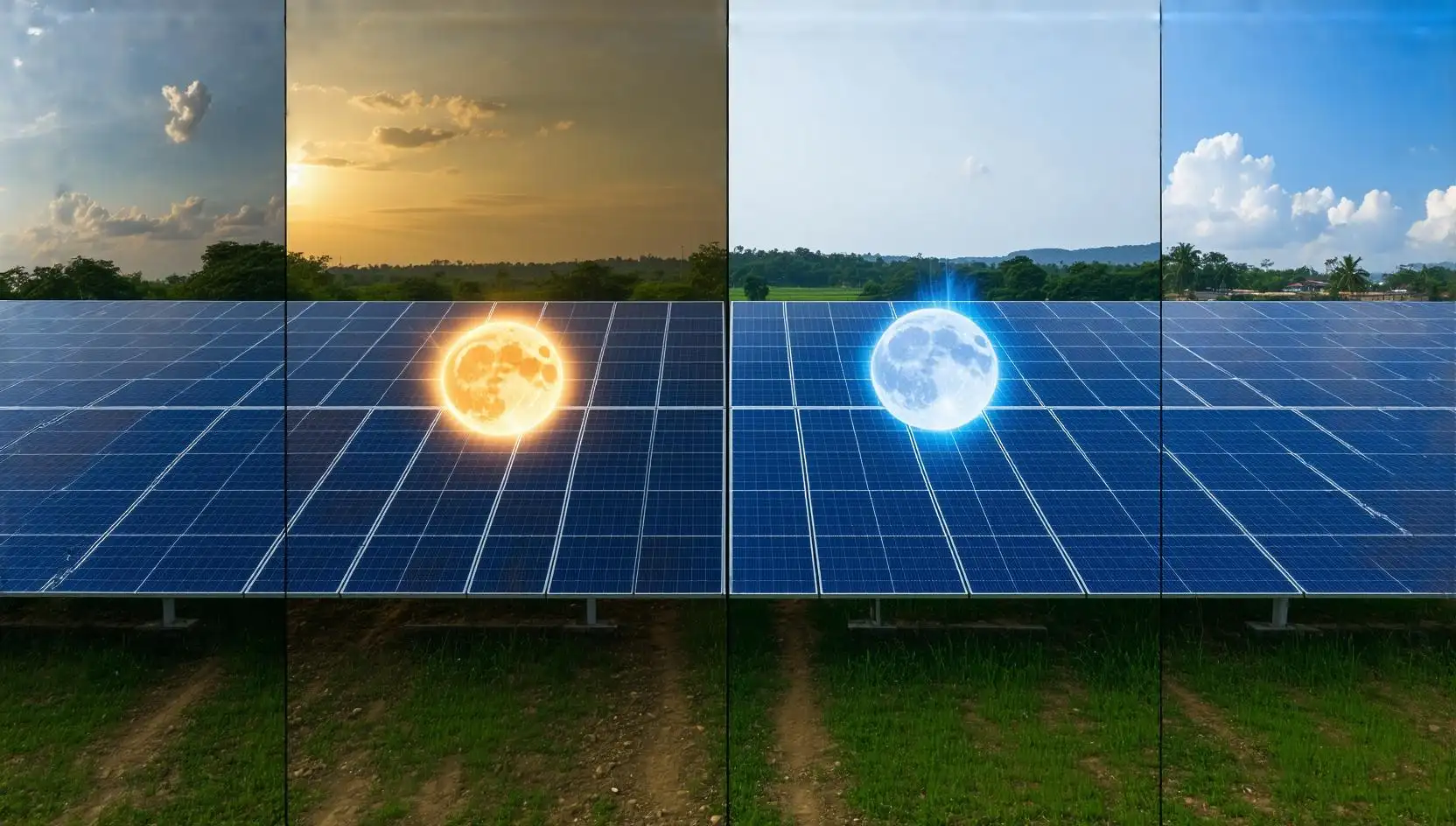
While India's solar cycles align with Sun transits through disciplined earth signs (Libra-Taurus), Pakistan's energy patterns show stronger correlations with Mars-Saturn aspects during summer peaks. These regional differences highlight the need for localized approaches to integrating celestial insights into renewable energy planning across South Asia.
Three key recommendations emerge for regional energy planners: 1) Develop astro-meteorological calendars specific to local solar cycles, 2) Train technicians in celestial pattern recognition, and 3) Establish interdisciplinary research hubs combining astrophysics with renewable energy engineering. These measures could accelerate Pakistan's transition to sustainable energy while respecting cultural traditions.
The integration of solar energy cycles with resource astrology presents a groundbreaking opportunity for Pakistan's renewable energy sector. By combining scientific solar data with celestial insights, energy planners can develop more efficient, culturally resonant solutions to the nation's power challenges. As Pakistan aims to achieve 30% renewable energy by 2030, such innovative approaches will be crucial for sustainable development.
Khan
|
2025.07.24
